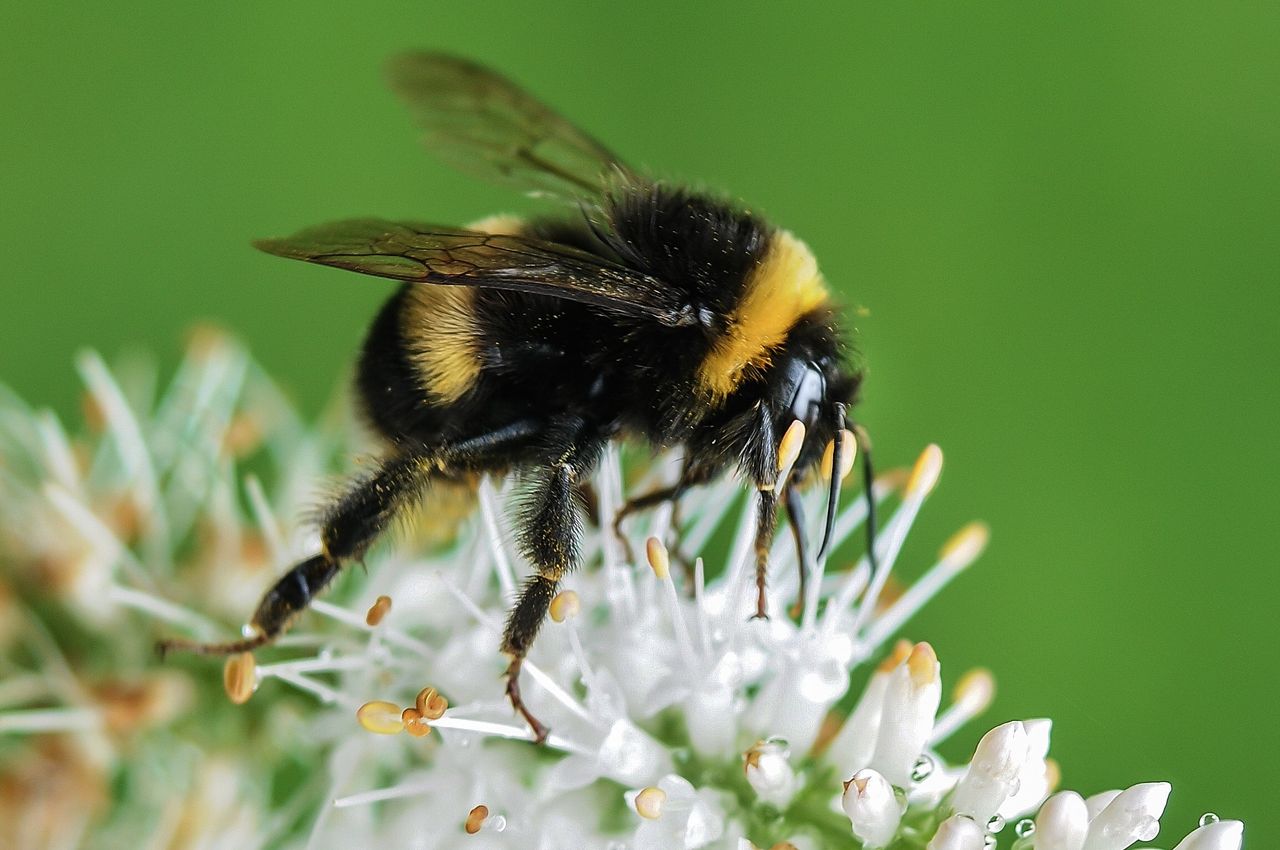
Bumblebees (Genus Bombus): When a Garden Visitor Becomes a Problem
The UK has around 24 native bumblebee species, though only six or seven are commonly
seen in gardens: the Buff-tailed, White-tailed, Red-tailed, Common Carder, Early,
Garden, and Tree Bumblebee. Most are docile and can be left in place. The one
exception is the Tree Bumblebee (Bombus hypnorum), which colonised Britain
from continental Europe in 2001, nests in bird boxes and loft cavities, and defends
its entrance far more readily than native species.
Where you'll find a nest in a Stockport home
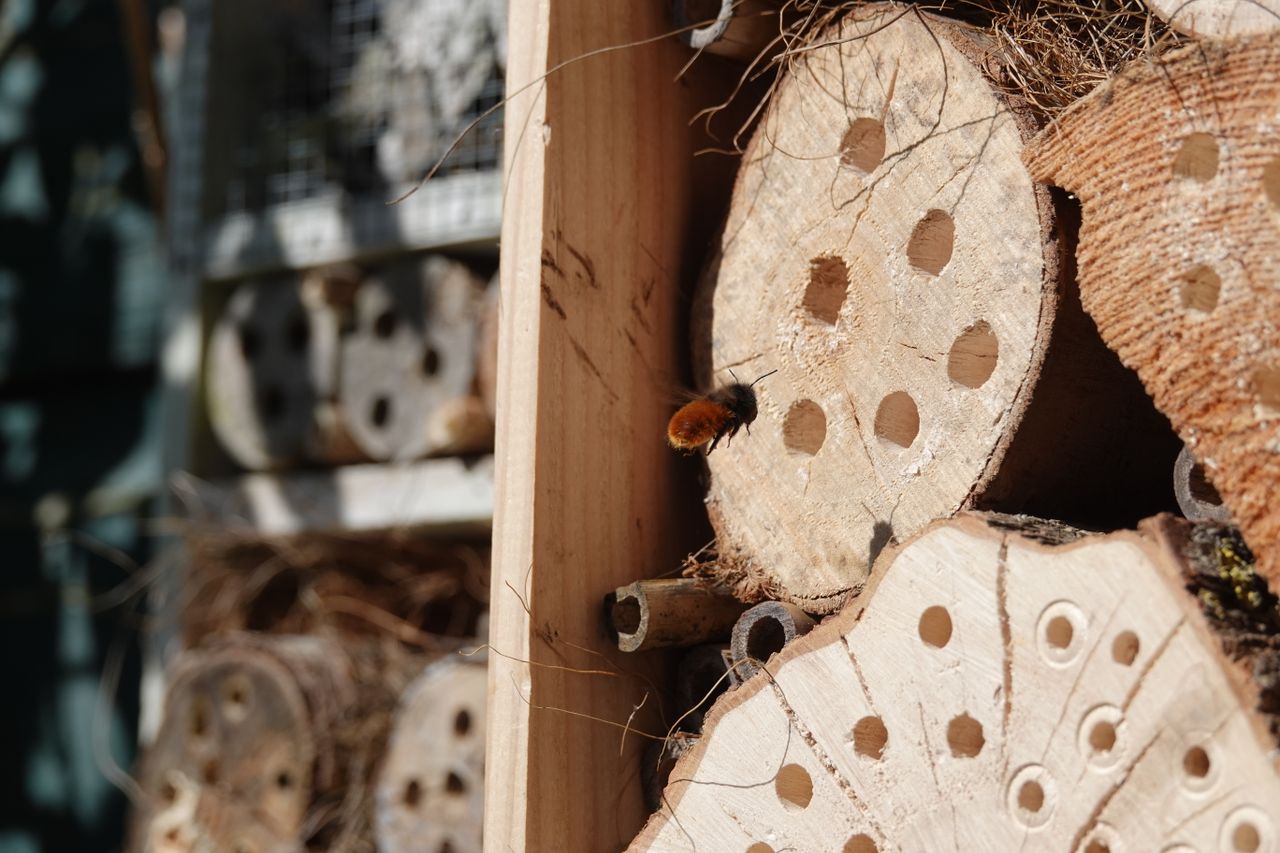
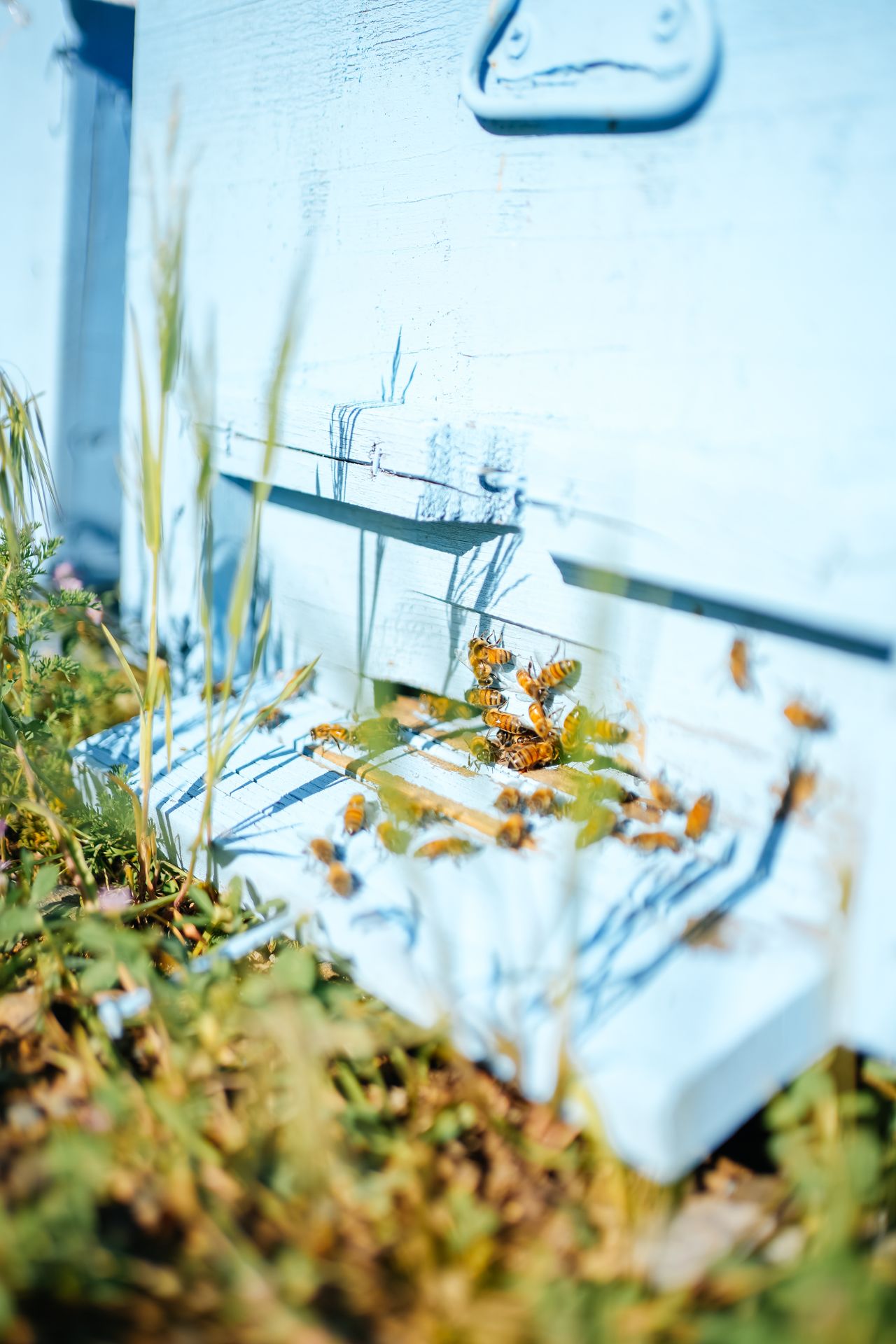
A bumblebee at a cavity entrance — the same look as a loft or bird box colony.An active colony at its entry point — what you'll see at a loft soffit.
Underground burrows — abandoned mouse holes, gaps under sheds and decking. Usually Buff-tailed or Early Bumblebees.
Compost heaps and tussocky grass — Common Carder Bees in old rodent bedding.
Lofts, bird boxes, and roof voids — the classic Tree Bumblebee site.
Wall cavities and behind fascia boards — increasingly Tree Bumblebees as their UK population grows.
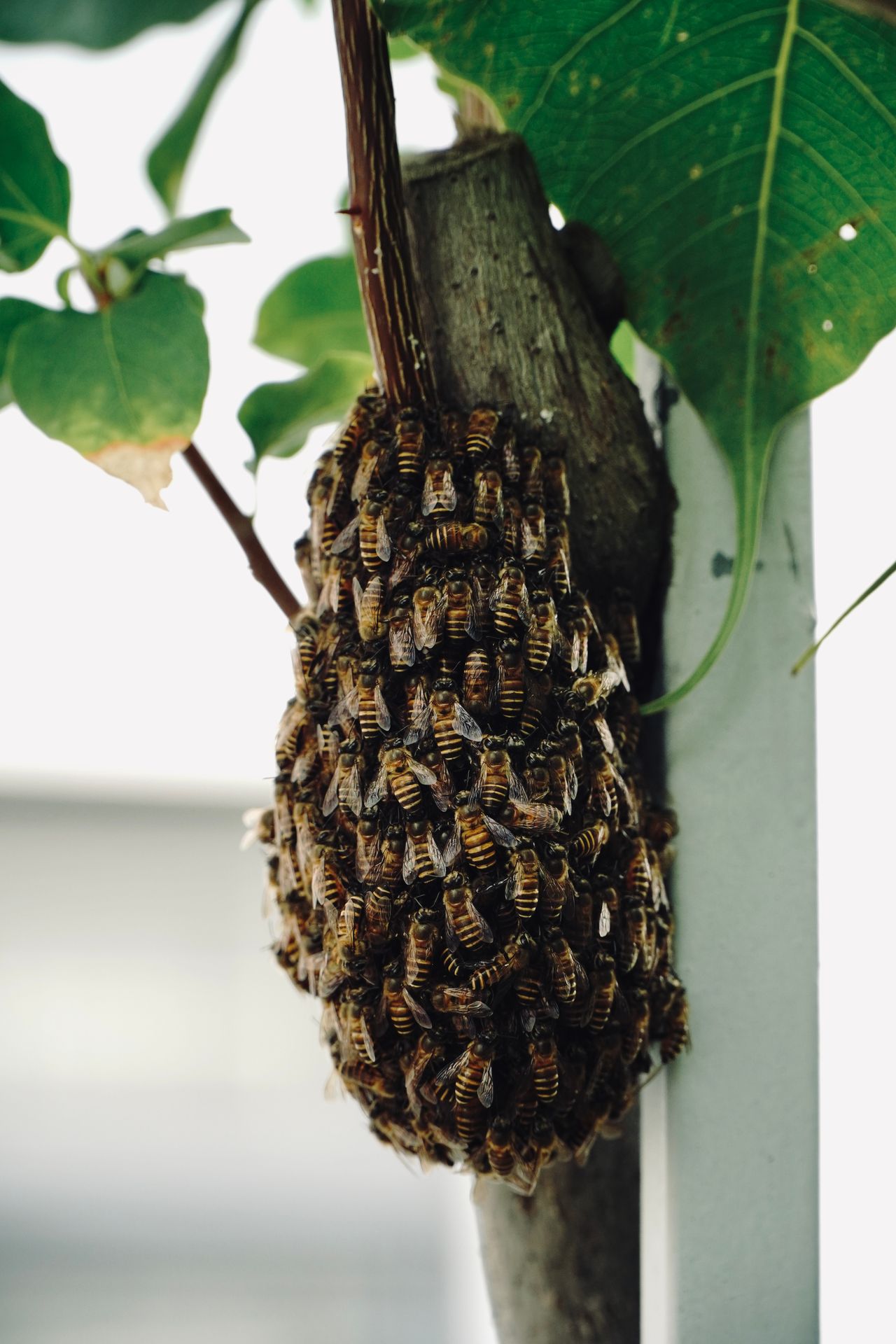
Peak-summer colonies can hold several hundred workers — the point at which removal usually makes sense.
When a nest actually needs removing
Most bumble bees don't need treating. But if they're causing a nuisance or pose
a health risk, we can treat the nest for £70. Treatment genuinely
makes sense when:
The flight path crosses a doorway, garden path, or seating area.
Someone in the household has a confirmed bee or insect allergy.
The nest is inside a loft, bird box, or roof cavity — likely Tree Bumblebees.
Young children or pets can't reliably be kept clear of the entrance.
The property is a rental or HMO and landlord liability is a factor.
The entrance is blocking an air vent, flue, or chimney.
What to expect
We cover all of Stockport and Greater Manchester 7 days a week, with
evenings and weekends at no surcharge. Every job is a flat £70
including VAT, materials, and the return visit to seal the original cavity
if that's needed.
Send a photo of the entrance and the bees — we can usually identify the
species from the image alone and tell you whether treatment is
straightforward or whether a site visit is needed first.
Please don't spray it yourself. Shop-bought insecticides
anger the colony, cause multiple stings, and kill a vital pollinator.
Call us first — advice is often free over the phone.
Frequently Asked Questions
Bumblebees aren't legally protected in the UK, but they're in significant decline and are vital pollinators. Where a nest isn't causing problems we'll say so on the phone and advise leaving it to die back naturally in autumn. Treatment is reserved for nests that pose a real risk to the household.
Bumblebee work is slower and more careful. The treatment requires specialist handling, full PPE, and often a site visit to assess access before any work. Wasp nest destruction is a more direct job, which is why it's priced lower.
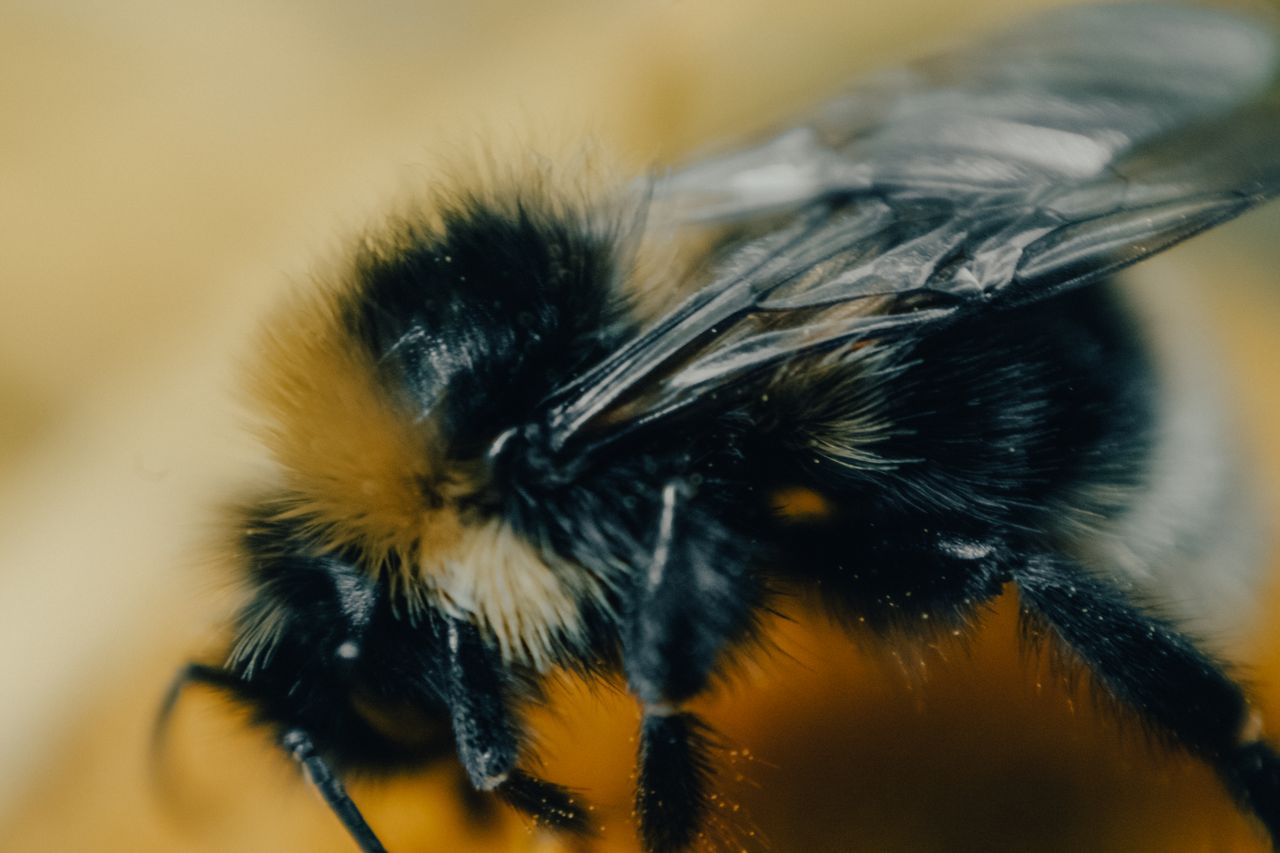
Bumblebees are large, stocky, and very furry with rounded bodies and slow, audible flight. Honeybees are smaller, slimmer, and a shiny amber-brown. Wasps are hairless with a bright yellow-and-black pattern, a clear narrow waist, and a much faster, erratic flight. If you're unsure, send us a photo and we'll identify it before booking the job.
Where we can, we advise leaving the nest in place to die back naturally in autumn — bumblebee colonies only last a few weeks once you first notice them. Treatment is reserved for situations where a vulnerable person is at risk or the flight path makes the property unusable.
The Tree Bumblebee (Bombus hypnorum) is noticeably more defensive than our native species. It arrived in the UK in 2001 and has spread rapidly, nesting in bird boxes, lofts, and behind fascia boards — places where homeowners inevitably cross its flight path. Most other UK bumblebees tolerate human activity and will only sting if the nest is physically threatened.
Usually, yes. We cover all of Stockport and Greater Manchester and offer same-day response 7 days a week. Evenings and weekends are the same £70 price with no surcharge.